Addiction Often Thrives in Isolation
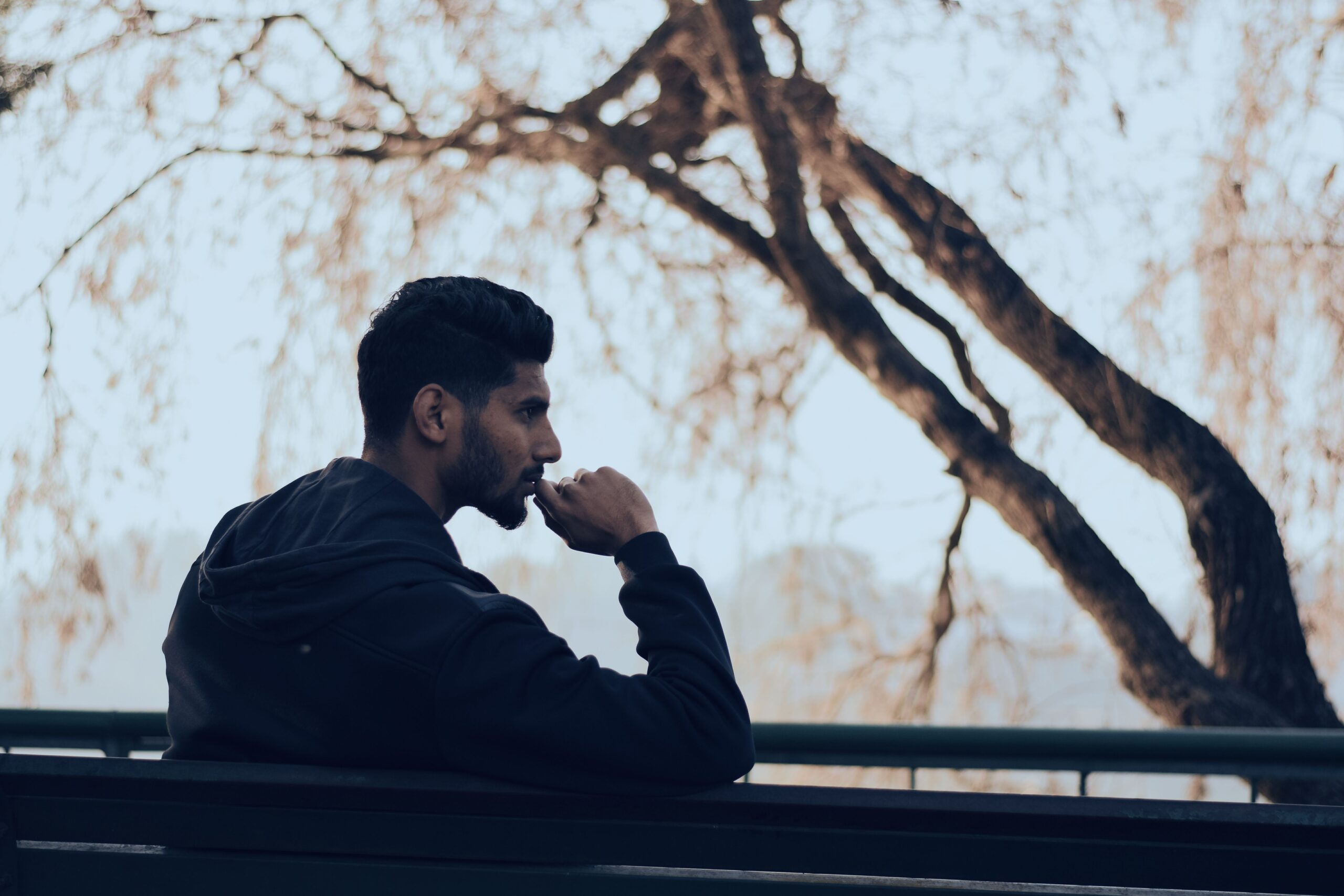
Addiction has a way of making a person’s world smaller.
Relationships become strained.
Invitations are declined.
Conversations become less honest.
People withdraw from family and friends.
Sometimes the isolation is intentional.
Other times, it happens so gradually that no one recognises how disconnected life has become.
Eventually, someone may find themselves surrounded by people and still feel entirely alone.
Recovery creates an opportunity to reverse that pattern.
It invites people back into relationships.
Back into community.
Back into honest conversations.
Back into a life where they no longer have to hide what they are experiencing.
At The Recovery Centre at White River, we believe connection is one of the most important foundations of sustainable recovery.
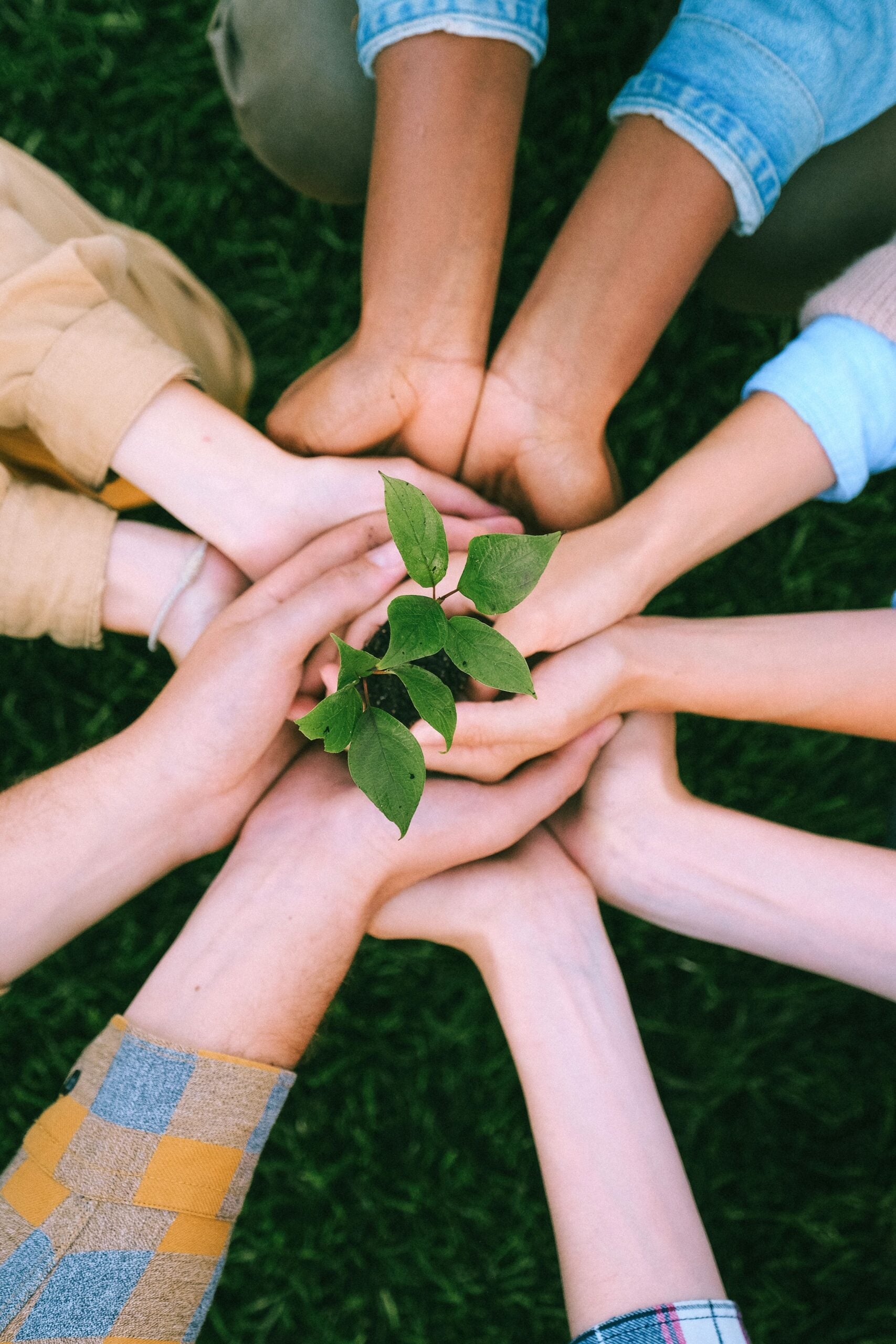
Because recovery may begin with an individual decision, but it becomes stronger when it is supported by other people.
Why Addiction Can Feel So Lonely
Isolation does not always mean physically being alone.
Someone may live with a family.
Go to work every day.
Attend social events.
Have hundreds of contacts in their phone.
And still feel profoundly disconnected.
Addiction often creates secrecy.
People begin hiding how much they are drinking or using.
They avoid certain conversations.
They make excuses.
They worry about judgement.
Over time, maintaining that separation becomes exhausting.
Relationships that once provided comfort may begin to feel complicated.
The individual may believe no one understands what they are experiencing.
That belief can reinforce the cycle of addiction.
The more isolated someone feels, the more tempting unhealthy coping mechanisms can become.
Breaking that cycle often requires more than simply stopping substance use.
It requires rebuilding connection.
Being Understood Changes Recovery
There is something uniquely powerful about sitting with another person who understands without requiring a lengthy explanation.
Peer relationships can provide this experience.
Someone else understands the difficult first weeks.
They understand cravings.
They understand rebuilding trust.
They understand why a seemingly ordinary situation can feel unexpectedly challenging.
They also understand the victories.
The first sober celebration.
The repaired relationship.
The difficult day successfully navigated.
The moment someone realises they are genuinely enjoying life again.
These shared experiences create belonging.
At The Recovery Centre at White River, individuals have opportunities to build relationships with people who are also committed to recovery.
Those relationships remind them that they are not navigating this process alone.
Connection Creates Accountability
Accountability is sometimes misunderstood as supervision.
Healthy accountability is different.
It is knowing there are people who notice when you withdraw.
People who ask how you are really doing.
People who encourage you to keep commitments you have made to yourself.
People who will celebrate your progress without ignoring your challenges.
This kind of accountability helps individuals remain connected to their recovery during periods when their own motivation may fluctuate.
It also makes honesty easier.
Instead of hiding a difficult day, someone can talk about it.
Instead of allowing a concern to grow privately, they can ask for help.
Recovery becomes less about appearing strong and more about being willing to stay connected.
Learning How to Trust Again
Addiction can damage trust on both sides of a relationship.
Loved ones may have experienced disappointment, uncertainty, or broken promises.
The individual may also have learned to distrust others or themselves.
Recovery provides an opportunity to rebuild.
But trust rarely returns through one conversation.
It develops through consistency.
Showing up when you say you will.
Being honest when something is difficult.
Keeping commitments.
Accepting responsibility.
Respecting boundaries.
Allowing other people time to heal.
These actions may appear small, but repeated over time they create something powerful.
Reliability.
At The Recovery Centre at White River, individuals have the opportunity to practise these behaviours within a supportive community before carrying them into every area of their lives.
Belonging Is Different From Fitting In
Many people have spent years trying to fit into environments that did not support who they truly were.
Recovery offers something different.
Belonging.
Fitting in often requires changing yourself to meet the expectations of a group.
Belonging allows you to be honest about who you are and still feel accepted.
That distinction matters.
A healthy recovery community does not require perfection.
People can acknowledge difficult days.
They can talk about mistakes.
They can ask for help.
They can celebrate progress without pretending everything is easy.
That authenticity creates meaningful relationships.
And meaningful relationships give people reasons to remain engaged with recovery.
Community Helps Make Life Enjoyable Again
Recovery cannot be sustained by fear alone.
Fear of relapse.
Fear of losing relationships.
Fear of returning to the past.
Those concerns may initially motivate change, but long-term recovery becomes stronger when people discover what they are moving towards.
Friendship.
Laughter.
Shared meals.
Exercise.
Travel.
Meaningful work.
Helping someone else.
Celebrating milestones.
Feeling useful.
Feeling known.
Feeling that you belong somewhere.
These experiences remind people that recovery is not a punishment.
It is an opportunity to experience life differently.
At The Recovery Centre at White River, community helps create space for these ordinary but meaningful experiences.
Because sometimes the most powerful evidence that recovery is working is simply enjoying your life again.
Learning to Ask for Help
One of the most important skills in recovery can also be one of the hardest.
Saying, “I need help.”
Many people have spent years dealing with difficulties independently.
Others worry that reaching out will burden the people around them.
Recovery challenges those beliefs.
Asking for support before a problem becomes overwhelming is not failure.
It is self-awareness.
Community makes that easier because individuals develop relationships before they need them.
They know who they can call.
They know where they can go.
They know there are people who will understand.
That network becomes invaluable when life becomes difficult.
Giving Back Strengthens Recovery Too
One of the beautiful transitions that can happen in long-term recovery is moving from receiving support to providing it.
Someone who once needed encouragement becomes the person offering it.
Someone who was new to recovery becomes an example of what is possible.
Sharing experience with others creates purpose.
It also provides perspective.
Helping someone else remember why recovery matters can remind us why our own recovery matters too.
Community therefore becomes reciprocal.
People receive support when they need it and offer support when they can.
Everyone contributes.
That shared responsibility strengthens belonging.
Connection Beyond The Recovery Centre at White River
A strong recovery community should not exist only while someone is in a programme.
The goal is to develop relationships and habits of connection that continue into everyday life.
As individuals prepare for greater independence, identifying supportive people and communities becomes an important part of planning for the future.
That might include recovery meetings.
Therapists.
Family members.
Friends.
Mentors.
Alumni connections.
Community groups.
The exact combination will be different for everyone.
What matters is that connection remains intentional.
Isolation can happen quietly.
Maintaining community requires participation.
How The Recovery Centre at White River Creates Space for Connection
At The Recovery Centre at White River, community is woven into the experience of continuing recovery.
Individuals live alongside others who understand the journey while developing the independence and confidence needed for the future.
Shared experiences create natural opportunities for connection.
So do everyday moments.
Conversations.
Meals.
Activities.
Challenges.
Celebrations.
These interactions help individuals practise communication, accountability, boundaries, and healthy relationships within a supportive environment.
The goal is not to create dependence on a recovery community.
It is to demonstrate the value of connection so individuals continue prioritising it wherever life takes them next.
Recovery Is Stronger When It Is Shared
Addiction tells people to withdraw.
Recovery invites them back.
Back into relationships.
Back into families.
Back into communities.
Back into meaningful participation in their own lives.
That process takes time.
Not every relationship will be repaired.
Not every connection will continue.
But new relationships can be built, old ones can heal, and people can discover communities where they feel genuinely understood.
At The Recovery Centre at White River, we believe long-term recovery is about far more than abstinence.
It is about rebuilding a life filled with people, purpose, accountability, and connection.
Because one of the most important things a person can discover in recovery is that they no longer have to do everything alone.
Recovery begins with choosing a different path. Community gives you people to walk it with.