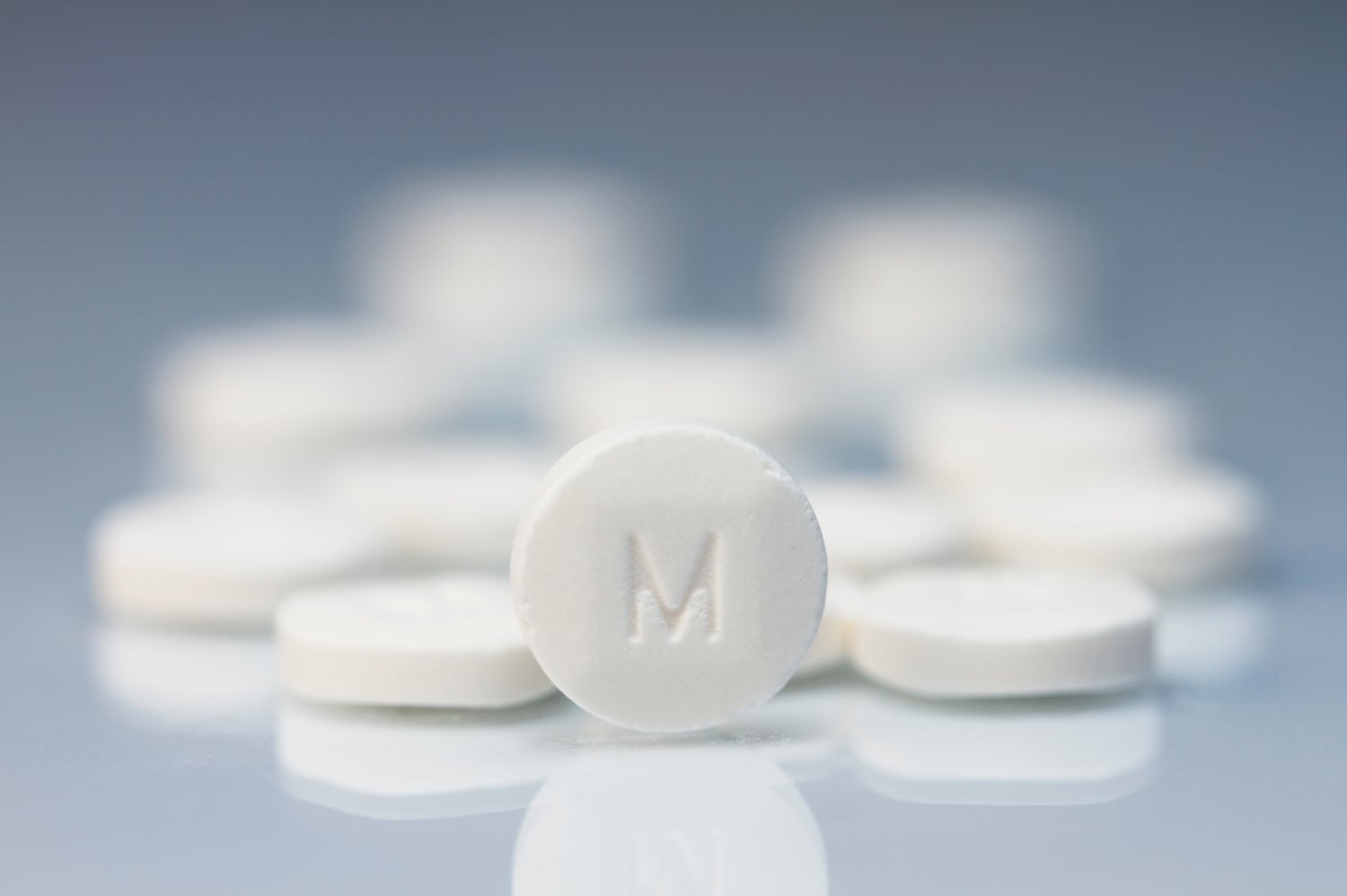
Mandrax is not a substance that gets talked about casually like alcohol or cannabis. But in some parts of the world, Mandrax is still widely used and causing real harm.
For some, it is associated with a particular type of escape. For others, it is tied to something far more serious. Either way, Mandrax carries risks that are often underestimated and it needs awareness.
Understanding what Mandrax is, how it affects the body, and why it can become so dangerous is an important step towards recognising when use has crossed a line.
What is mandrax?
Mandrax is the street name for methaqualone, a sedative-hypnotic drug that was once prescribed to treat insomnia and anxiety. It works by slowing activity in the central nervous system, producing a sense of relaxation, drowsiness, and, in higher doses, euphoria (Inger et. al., 2023).
Originally introduced in the mid-20th century, methaqualone was marketed as a safer alternative to barbiturates. That perception did not last. As drug abuse became more obvious, so did the risks. By the 1980s, the drug had been banned or heavily restricted in many countries due to its high potential for dependence and overdose.
Today, methaqualone is no longer legally manufactured in most parts of the world. However, it continues to circulate illegally, particularly in parts of Southern Africa, and it remains a significant public health concern.
On the street, it may be referred to as Mandrax, “mandies,” “buttons” or “White Pipe.” It is often produced in unregulated environments and may be mixed with other substances, which makes its effects unpredictable and, at times, more dangerous than users expect.
How Mandrax is used
Mandrax is sometimes taken in tablet form, but in certain regions it is more commonly crushed and smoked, often combined with cannabis. This method lets the drug reach the brain quickly, intensifying its effects and increasing its addictive potential.
Substances that act quickly tend to reinforce repeated use stronger than those that don’t. The brain begins to associate the drug with immediate relief or escape, which can make the cycle of use harder to stop over time.
For many people, use begins in social settings or out of curiosity. However, it can transform into something more private and more frequent, particularly when the substance starts to feel like a reliable way to manage stress or emotional pain.
The effects of Mandrax

At lower doses, Mandrax produces sedation and relaxation. Muscles loosen, and thoughts slow. The body may feel heavy or calm. But at higher doses, the effects become less predictable.
Users may experience confusion, impaired coordination, slurred speech, and reduced reaction times. Judgment becomes compromised, which can increase the risk of accidents or bad decisions. Some individuals report feeling a sense of detachment from their surroundings, while others may experience agitation or paranoia rather than relaxation.
Memory impairment is also common. Blackouts can occur, leaving individuals with little or no recollection of events that took place while on the drug.
Because Mandrax depresses the central nervous system, it also affects breathing and heart rate. In larger amounts, or when combined with other depressants such as alcohol, this can become life-threatening. This is part of what makes the drug so dangerous. The outward appearance of calm does not always reflect what is happening inside the body.
Why Mandrax is so dangerous
One of the most dangerous aspects of Mandrax is how easily its risks can be overlooked.
Unlike stimulants, which often produce visible signs of agitation or intensity, depressants can feel quieter, literally. A person may seem relaxed or withdrawn rather than obviously impaired, which can create a false sense of safety.
Over time, however, the body adapts.
Repeated use can lead to tolerance, meaning larger amounts are needed to achieve the same effect. As dosage increases, so does the risk of overdose. The margin between a dose that produces sedation and one that suppresses breathing can become dangerously narrow.
Dependence can also develop. The brain begins to rely on the drug to regulate mood, sleep, and stress. Without it, people may experience anxiety, irritability, and insomnia. These withdrawal symptoms can make stopping feel more difficult than continuing.
Then, there is also the issue of unpredictability. Illicit Mandrax is rarely produced under controlled conditions. Tablets may contain unknown substances or varying concentrations of active ingredients. This inconsistency increases the likelihood of adverse reactions, including overdose.
Long-term use has been linked to cognitive issues and ongoing problems with memory and concentration. Over time, the effects extend beyond physical health, influencing behaviour and relationship.
The link between Mandrax and addiction
Addiction never begins with the intention of addiction.
It usually starts as a way to switch off, slow down racing thoughts, and create a sense of relief, even if only temporarily. Mandrax, like other depressants, can feel effective in the beginning. That is part of the problem.
What begins as occasional use can become more frequent, particularly if the substance appears to help with stress or trauma. Over time, the brain begins to associate the drug with relief, and that association strengthens.
Eventually, use may change from choice to habit, and from habit to dependence. At that point, the goal often changes. It is no longer about getting high but has become about avoiding pain, managing anxiety, and trying to feel normal again.
Many people continue to meet responsibilities, maintain routines, and appear functional, even as they also manage their addiction.
There is rarely a clear moment where someone decides this has become a problem. People often tell themselves they would know if things were getting out of hand. But with substances like Mandrax, the changes tend to be gradual enough that they are easy to justify. There is always a reason that makes sense at the moment.
That in-between space can be easy to ignore, but it is usually where the real change begins.
Treatment options for Mandrax use

Recovery from Mandrax use is possible, but it typically requires more than stopping the substance alone.
Because methaqualone affects the central nervous system, withdrawal can need medical intervention. Symptoms may include anxiety, restlessness, sleep disturbance, and mood changes. For this reason, medically supervised detoxification is often recommended to ensure safety and provide support.
Following detox, addiction treatment usually focuses on the underlying patterns and circumstances that contributed to substance use.
Therapeutic approaches such as individual counselling and group therapy can help individuals understand the role the substance has played in their lives. This includes identifying triggers, recognising patterns of thought and behaviour, and developing alternative ways of coping.
Cognitive behavioural approaches are commonly used to address unhelpful thinking patterns and reduce reliance on substances as a coping mechanism. At the same time, emotional regulation skills and stress management strategies can help individuals respond to discomfort in healthier ways.
Support systems also play an important role. Connection and accountability can strengthen recovery over time. Whether through structured treatment programmes, peer support, or ongoing therapy, having consistent support can be a game-changer.
Recovery is not about removing something but about building something stronger in its place.
Recovery is possible and available
Mandrax may not be widely discussed, but its impact can be significant. If you or someone you care about is struggling with its use, it is worth paying attention.
Something may not be working. Something may need support. And recognising that is often the beginning of change.
White River Recovery is here for you



























If Mandrax use has become part of your or someone you love’s life, you do not have to go through it alone. At White River Recovery, treatment focuses not only on stopping substance use but on understanding what is driving it. We focus on the whole person, and that means not just physical and emotional, but also social and spiritual.
With the right support, it is possible to move out of survival mode and into something stronger and worth living.
Contact us when you are ready. Let’s start the conversation.
References:
- Inger JA, Mihan ER, Kolli JU, Lindsley CW, Bender AM. DARK Classics in Chemical Neuroscience: Methaqualone. ACS Chem Neurosci. 2023 Feb 1;14(3):340-350. doi: 10.1021/acschemneuro.2c00697. Epub 2023 Jan 18. PMID: 36651763.
- Drugs.com. (n.d.). Quaaludes (methaqualone). https://www.drugs.com/illicit/quaaludes.html
- Encyclopedia Britannica. (n.d.). Methaqualone. https://www.britannica.com/science/methaqualone
- National Center for Biotechnology Information (2026). PubChem Compound Summary for CID 6292, Methaqualone. Retrieved April 19, 2026 from https://pubchem.ncbi.nlm.nih.gov/compound/Methaqualone.
- Institute for Security Studies. (2018, February 20). The white pipe keeps burning. https://issafrica.org/iss-today/the-white-pipe-keeps-burning

About Gert Janse Van Rensburg
Gert Janse van Rensburg is a Clinical Psychologist and Equine Therapist at White River Manor. With over two decades of experience, Gert helps oversee most of the clients, bringing deep knowledge and a calming presence to addiction recovery.